









Subscribe Today
ADVERTISEMENT

Policy Corner Brief: OCTOBER 2026
Policy Corner Brief: OCTOBER 2026

Policy Corner Brief: OCTOBER 2026

STORY BY
PHOTOGRAPHY BY

Policy Corner Brief: OCTOBER 2026

STORY BY
PHOTOGRAPHY BY
‘‘

SENATE UNANIMOUSLY PASSES WILDFIRE EMISSIONS PREVENTION ACT 

Article Contact: Kent Keene

Why It Matters: The Wildfire Emissions Prevention Act (WEPA) continues to be a prime example of the power of pragmatism and bipartisanship as it moves through the legislative process. After moving out of Senate Committee on Environment and Public Works just a few weeks ago, WEPA’s unanimous passage out of the Senate fuels optimism for this bill becoming law in 2026.

Highlights:

  • Last Wednesday, the U.S. Senate voted unanimously to advance the bipartisan Wildfire Emissions Prevention Act.
  • This legislation promotes the use of prescribed fire by updating the Clean Air Act, removing regulatory barriers that have barred smoke pollution associated with the practice.

Last week, The U.S. Senate voted unanimously to advance S.5045, the Wildfire Emissions Prevention Act of 2026 (WEPA), just weeks after the bill was unanimously supported by the Senate Committee on Environment and Public Works. As previously reported, the bipartisan legislation focuses on updates to the Clean Air Act that would exempt the air pollutants resulting from prescribed fire from regulatory decisions under the Clean Air Act.

This achievement is a prime example of the role that pragmatic, bipartisan approaches to the legislative process can play in achieving important conservation outcomes. The Congressional Sportsmen’s Foundation continues to celebrate WEPA’s Senate victory while championing the legislation as a critical step toward promoting the responsible use of prescribed fire while recognizing the associated benefits for wildlife, including many popular game species.


CSF CONTINUES LONGSTANDING REPRESENTATION ON FEDERAL HUNTING AND CONSERVATION ADVISORY COUNCIL

Why It Matters: The Hunting and Shooting Sports Conservation and Access Council (HSSCAC) provides the sporting-conservation community with a direct opportunity to help inform federal policies affecting hunting, recreational shooting, wildlife conservation, and public access. The Congressional Sportsmen’s Foundation (CSF) welcomes Secretary of the Interior Doug Burgum’s establishment of the Council and appreciates the opportunity for sportsmen and women to continue providing meaningful input on federal conservation and land management decisions.

Highlights:

  • On September 21, the Department of the Interior (DOI) announced appointments to the HSSCAC, including CSF Senior Vice President and COO Taylor Schmitz.
  • Schmitz was appointed to represent wildlife and habitat conservation and management organizations.
  • The Council will advise the Secretaries of the Interior and Agriculture on issues affecting wildlife conservation, hunting and recreational shooting, partnerships, and public access.
  • CSF has maintained a longstanding presence on federal advisory councils focused on hunting, conservation, and access; and, is the only organization to have served on every iteration of this particular Council as a regular member dating back to the establishment of the first Sporting Conservation Council in 2006.

Last week DOI announced the appointments to the HSSCAC, which is tasked with providing recommendations on the establishment and implementation of existing and proposed federal policies affecting wildlife and habitat conservation, hunting and the shooting sports, and public access. The Council will also focus on strengthening partnerships among the sporting-conservation community and federal, state, Tribal, and territorial governments.

By bringing hunters, recreational shooters, conservation organizations, and other stakeholders directly into these discussions, the Council provides DOI and the Department of Agriculture (USDA) with practical experience from those who actively participate in and support wildlife conservation. Secretary Burgum has emphasized the Council’s role in expanding access, strengthening conservation, and carrying America’s hunting and outdoor traditions forward.

CSF appreciates Secretary Burgum and DOI’s continued recognition of the important role that sportsmen and women play in conserving America’s fish and wildlife resources and supporting access to hunting and recreational shooting opportunities.

CSF has maintained a longstanding presence on federal advisory councils focused on hunting, conservation, and access, dating back to the establishment of the Sporting Conservation Council in 2006.

Through Schmitz’s appointment, CSF looks forward to working with DOI, USDA and fellow Council members to advance conservation, expand access, and ensure the perspectives of America’s sportsmen and women remain part of federal decision-making.


WHEN LICENSE FEES AREN’T ENOUGH: EXPLORING OTHER OPPORTUNITIES FOR CONSERVATION FUNDING 

Article Contact: Mark Lance

Why It Matters: The cost of managing resources held in the public trust, maintaining public access, and delivering conservation programs continues to increase while hunting and fishing license revenues are failing to catch up. As a result, agencies in several states have considered implementing license fee increases to help close budget gaps. While license fees remain an essential component of conservation funding, dramatically increasing the cost of participation can place additional pressure on the very sportsmen and women who provide the foundation for fish and wildlife conservation.

Highlights:

  • State fish and wildlife agencies across the country are confronting growing operating costs and budget shortfalls, putting pressure on license holders through increased license fees and new online licensing systems that aim to reduce costs for the agencies while hitting license holders with additional processing and convenience fees and more.
  • Tennessee and Virginia are two of the latest states that have approved license fee increases in an effort to overcome budgetary shortfalls.
  • Rather than solely going after license fee increases, there are other avenues to achieve funding goals, such as a dedicated sales tax on outdoor gear revenue for conservation.
  • CSF has been a leading voice championing dedicated conservation funding mechanisms and protecting sportsmen-driven conservation funding for decades.

For generations, hunters and anglers have played the primary role in funding fish and wildlife conservation through hunting and fishing licenses, as well as through the federal excise taxes generated by the purchase of firearms, ammunition, archery equipment, fishing tackle, and other outdoor-related products. This “user pays – public benefits” structure, commonly referred to as the American System of Conservation Funding, has provided billions of dollars for conservation and remains the backbone of state fish and wildlife agency funding.

As hunters and anglers, we take great pride in our role as conservationists and recognize the important responsibility we have carried as the primary funders of conservation in the country for nearly a century. CSF has supported many modest license fee increases in recent years as a means of ensuring state fish and wildlife agencies have the resources necessary to effectively manage fish and wildlife populations. While we remain proud to continue shouldering this responsibility, there comes a point when continually increasing costs on a single user group can create a barrier to participation and, ultimately, undermine the very conservation funding those increases are indented to support. When that point is reached, we should look to additional, dedicated revenue streams that can complement license revenues while maintaining hunters and anglers as the primary funders of conservation.

In August, the Tennessee Fish and Wildlife Commission approved a proposed license fee structure that would increase hunting and fishing license fees by an average of 29% to help address a multi-million-dollar budget deficit. Virginia also recently approved increases after the state’s Department of Wildlife Resources identified rising costs and a budget that had not kept pace with inflation.

State policymakers should explore additional options for dedicated sources of conservation funding that complement the contributions of hunters and anglers. One example is Texas’ Sporting Goods Sales Tax, which generates upwards of $160 million per year. Other examples are  Missouri and Arkansas’s dedicated conservation sales tax, which provides 1/8th of 1% of sales tax revenue specifically for conservation. A dedicated sales tax apportionment for conservation provides a broader funding base by collecting revenue on items used in our outdoor pursuits while also maintaining license revenue and federal excise-tax funding, which maintains the important connection between those who participate in outdoor activities and the conservation of the resources they enjoy.

The goal should not be to move away from the user-pays model, nor should the states price more people out of participating in our shared outdoor traditions. Instead, alternate dedicated funding mechanisms are available that don’t place additional, burdensome costs on hunters and anglers when they go to purchase their annual licenses.


NATIONAL HUNTING AND FISHING DAY 2026: AMERICA’S SPORTSMEN AND WOMEN CELEBRATE 250 YEARS OF OUTDOOR HERITAGE

September 28, 2026 – WASHINGTON, D.C. – On Saturday, September 26, the nation came together to celebrate National Hunting and Fishing Day (NHF Day), recognizing the contributions of America’s sportsmen and women and the critical role they have played in conserving the nation’s fish, wildlife, habitat, and outdoor heritage.

Established by Congress in 1971 and first observed in 1972, National Hunting and Fishing Day is celebrated annually on the fourth Saturday of September. For more than five decades, NHF Day has provided an opportunity to recognize the longstanding traditions of hunting and fishing while highlighting the significant economic and conservation contributions generated by America’s outdoor sporting community.

The 2026 observance held particular significance as the nation celebrated its 250th anniversary. The 250th anniversary provided an important opportunity to recognize the generations of sportsmen and women who helped shape that legacy and whose continued participation will help define conservation for the next 250 years.

Since 2015, the Congressional Sportsmen’s Foundation (CSF) has worked with the Administration and governors to secure formal proclamations for National Hunting and Fishing Day.  This year, CSF secured a presidential proclamation from President Donald Trump, 45 gubernatorial proclamations, 1 state resolution, and 1 legislative citation. These recognitions underscored the importance of hunting, fishing, and other outdoor sporting activities to conservation, local economies, and communities across the country.

“America’s 250th anniversary provided a meaningful opportunity to recognize the conservation legacy that sportsmen and women have helped build over generations,” said Taylor Schmitz, CSF Senior Vice President and COO. “Hunters, anglers, recreational shooters, and trappers have consistently demonstrated their commitment to conserving our nation’s natural resources through their participation, financial contributions, and support for science-based wildlife management. National Hunting and Fishing Day allows us to recognize that record of stewardship while looking toward the work that remains ahead.”

Sportsmen and women continue to serve as the cornerstone of America’s conservation funding model through the American System of Conservation Funding (ASCF). Through license fees, excise taxes, permits, stamps, and other direct contributions, hunters, anglers, recreational shooters, trappers, and the industries that support them generate billions of dollars for state-led fish and wildlife conservation and habitat management.

These investments support a broad range of conservation priorities, including wildlife research, habitat restoration, fisheries management, public access, population monitoring, and other programs that benefit wildlife, outdoor recreation, and communities nationwide. Participation in America’s outdoor traditions translates into meaningful, on-the-ground conservation outcomes that benefit both sportsmen and non-sportsmen.

National Hunting and Fishing Day recognizes these contributions while encouraging continued engagement in America’s outdoors. Johnny Morris’ Wonders of Wildlife National Museum and Aquarium in Springfield, Missouri, serves as the official home of National Hunting and Fishing Day, while Bass Pro Shops locations and conservation organizations across the country support events and activities that bring the celebration to communities nationwide.

For more information on National Hunting and Fishing Day, please visit www.NHFDay.org, and for a list of the proclamations that were issued this year please visit National Hunting and Fishing Day – Congressional Sportsmen’s Foundation. For more information about the Congressional Sportsmen’s Foundation’s celebration of America’s 250th, click here.


SENATE COMMITTEE ON ENVIRONMENT AND PUBLIC WORKS ADVANCES WILDFIRE EMISSIONS PREVENTION ACT 

Article Contact: Kent Keene

Why It Matters: Advancing legislation through the United States Senate continues to be incredibly challenging, typically requiring strong bipartisan support for a bill to move out of Committee. As previously reported, the bipartisan Wildfire Emissions Prevention Act (WEPA) represents a shining example of the power that common sense legislation can display as it moves through the legislative process. Advancing from the Senate Committee on Environment and Public Works on a 19-0 vote, WEPA can now be considered by the full Senate.

Highlights:

  • Last Wednesday, the Senate Committee on Environment and Public Works voted 19-0 to advance the bipartisan Wildfire Emissions Prevention Act.
  • This legislation promotes the use of prescribed fire by updating the Clean Air Act, removing regulatory barriers that have barred smoke pollution associated with the practice.

Last Wednesday, members of the Senate Committee on Environment and Public works voted unanimously to advance S.5045, the Wildfire Emissions Prevention Act of 2026 (WEPA). As previously reported, the bipartisan legislation focuses on updates to the Clean Air Act that would exempt the air pollutants resulting from prescribed fire from regulatory decisions under the Clean Air Act. Recognizing the role that prescribed burning can play in reducing wildfire risk while improving habitat quality and availability for wildlife, the Congressional Sportsmen’s Foundation (CSF) is proud to see this legislation advance out of Committee.

The Congressional Sportsmen’s Foundation, along with many partners, continues to express support for WEPA as it continues its journey through the legislative process. CSF is a strong proponent of policies and regulations that promote the implementation of prescribed fire and the associated benefits for wildlife, including many popular game species. Further, and particularly true in recent years, CSF stands with partners in recognizing the role of good (prescribed) fires in the prevention of bad ones (wildfire).


PRESIDENT TRUMP WELCOMES NATION’S CONSERVATION LEADERS TO WHITE HOUSE, SIGNS EXECUTIVE ORDERS SUPPORTING AMERICA’S OUTDOOR HERITAGE 

(September 17, 2026) – WASHINGTON, D.C. – Tonight, the Congressional Sportsmen’s Foundation (CSF) joined approximately 100 leaders from across the nation’s hunting, fishing, and shooting sports community at the White House, where President Donald J. Trump hosted a Great American Outdoorsmen dinner in the Rose Garden celebrating America’s rich outdoor heritage and the millions of sportsmen and women who play a vital role in conserving our nation’s fish, wildlife, and natural resources. The first ever such celebration of America’s sportsmen and women in the Rose Garden.

During the event, President Trump signed two important Executive Orders for sportsmen and women, “Reinvigorating America’s Hunting Heritage” and “Restoring American Saltwater Angling and Recreation” that will take important steps to improving access, habitat conservation, fish and wildlife management, and our outdoor traditions.  The Executive Orders represent another significant step in recognizing the important role that hunting, fishing, recreational shooting, and other outdoor traditions play in conservation, economic opportunity, and the American way of life.

“The Congressional Sportsmen’s Foundation commends President Trump for bringing together leaders from across the sportsmen’s community and recognizing the tremendous contributions hunters, anglers, trappers, and recreational shooters make to our nation,” said Jeff Crane, President and CEO of the Congressional Sportsmen’s Foundation. “America’s outdoor heritage is one of our nation’s greatest traditions, and today’s event demonstrates the President’s continued commitment to ensuring these traditions remain strong for generations to come.”

The gathering builds upon a series of actions by the Trump Administration recognizing the importance of America’s sportsmen and women. In July 2025, President Trump established the Make America Beautiful Again Commission, an initiative that recognizes the importance of conserving America’s natural resources while expanding opportunities for outdoor recreation, including hunting and fishing. Beautiful Again represents a critical commitment to America’s sportsmen and women and our nation’s conservation efforts.

The President has also recognized the contributions of America’s recreational shooting community through National Shooting Sports Month, highlighting both the nation’s longstanding shooting traditions and the critical conservation funding generated by participants in the shooting sports through the Pittman-Robertson Wildlife Restoration Act. This event and Executive Order come in the lead-up to National Hunting and Fishing Day, which will be held on September 26th in honor of the impact sportsmen and women have on America’s rich conservation legacy.

“Sportsmen and women are America’s most important conservationists,” said Taylor Schmitz, Senior Vice President and COO of the Congressional Sportsmen’s Foundation. “Through the purchase of hunting and fishing licenses, excise taxes on firearms, ammunition, archery equipment and fishing equipment, and their direct contributions of time and resources, America’s sportsmen provide billions of dollars for fish and wildlife conservation. This event and these Executive Orders reinforce the importance of keeping our public lands and waters accessible and our outdoor traditions thriving.”

The Congressional Sportsmen’s Foundation looks forward to working with the Administration, Congress, state fish and wildlife agencies, and the broader sportsmen’s community to continue to advance policies that protect and enhance opportunities for hunting, fishing, recreational shooting, and other outdoor activities.


CSF FEATURED IN CONGRESSIONAL FIRE FUNDING BRIEFING 

Article Contact: Kent Keene

Why It Matters: In 2018, Congress passed legislation to specifically fund wildfire efforts, ending the cycle of “borrowing” from federal agency budgets to address the growing cost of wildfire suppression, mitigation, and recovery. Known as the “Fire Funding Fix,” this investment is set to expire in 2027. Without dedicated wildfire funding, agencies may be forced to return to “fire borrowing” practices to utilize resources from other wildlife, forest, or access management projects, contributing to the growing maintenance backlog on our nation’s public lands.

Highlights:

  • Funding for the Wildfire Suppression Operations Reserve Fund, commonly referred to as the “Fire Funding Fix,” is set to expire in 2027.
  • The “Fire Funding Fix” ended the cycle of “fire borrowing” in which the U.S. Forest Service and the Department of the Interior were forced to utilize funding from other projects to address increasing needs and costs associated with wildfires.
  • Last week, the Congressional Sportsmen’s Foundation (CSF) was a featured panelist during a Congressional briefing to raise awareness about the need to reauthorize the “Fire Funding Fix” to both address wildfire needs and protect funding for other important management projects.

On September 17th, Kent Keene, the Congressional Sportsmen’s Foundation’s Senior Manager of Working Lands Policy, participated as a panelist during a Congressional briefing in support of reauthorizing the Wildfire Suppression Operations Reserve Fund. This fund, also commonly referred to as the “Fire Funding Fix,” was authorized by Congress in 2018, ending the cycle of “fire borrowing” in which the U.S. Forest Service and the Department of the Interior diverted funding from other projects to address the increasing costs associated with wildfires.

As the panel’s representative for sportsmen and women, CSF’s support for the “Fire Funding Fix” highlighted the impacts that “fire borrowing” and the increasing costs of wildfire suppression had on the growing maintenance backlog on our nation’s public lands. Sportsmen and women know firsthand that reduced management can concentrate game in small pockets of suitable habitat or drive them to private property. This contributes to the increasing perception of competition among hunters that can decrease overall hunting satisfaction and impact participation rates. For anglers, particularly those who pursue cold-water species like trout and salmon in the West, lapsed management, combined with wildfires, can increase erosion risk and degrade aquatic ecosystems and their associated fisheries.

The “Fire Funding Fix”, by itself, is not the solution to the growing maintenance backlog on our federal lands, but it does represent an important piece of that puzzle. By providing a dedicated reserve, the “Fix” allows other laws, like the Great American Outdoors Act, to fulfill their role all in support of healthy, well managed public lands. As such, CSF will continue to support its reauthorization as a priority ahead of its 2027 expiration.

Policy Corner Brief: OCTOBER 2026 This article is published in the issue.
Click here to purchase this black issue
Intrested in buying other back issues?
Click here
FILED IN: ,
ARTICLES FROM THE OCTOBER / NOVEMBER 2015 ISSUE
Life in Bronze

Filed In: ,

Liz Lewis employs several foundries in the Bozeman area to cast her lost-wax-style work. Recently, she has begun exploring the use of colored patinas to reproduce the coloration of sporting......

Being at Brays

Filed In: , , , ,

Located outside of Savannah, Georgia, and proximate to the charming coastal town of Beaufort, South Carolina, and within a short drive of Charleston—the current capital of Southern lifestyle—Brays...

Curated Fashions

Filed In: , ,

After spending more than eight years in the UK running retail shops, Ramona Brumby of Atlanta’s The London Trading Company came home. “My passion is anything to do with décor,......

Inside the October-November 20...

Filed In:

This month’s cover photo of the German shorthaired pointer was taken at Pheasant Ridge by Terry Allen during our June-July 2015 feature coverage of Ferrari. As we traveled to Pheasant......

Bertuzzi Gullwings

Filed In: , , , ,

Bertuzzi shotguns have the unique design characteristic of ali di gabbiano, Italian for “the wings of a gull” as the sideplates spring outward like wings, revealing the lockwork inside. ...

Stealthy Ghosts

Filed In: , , ,

Judy Balog, who owns and runs Silvershot Weimaraners in Michigan with Jerry Gertiser, has owned Weimaraners for more than 20 years....

You may also like

The Kind Approach

In the United Kingdom, dog trainer Ben Randall sho...

Sturdy Brothers Waxed Canva...

This portable piece is handcrafted to last a lifet...

Viski Solid Copper Shot Gla...

These shot glasses are hand crafted and feature an...

Policy Corner Brief: OCTOBER 2026

SENATE UNANIMOUSLY PASSES WILDFIRE EMISSIONS PREVENTION ACT 

Article Contact: Kent Keene
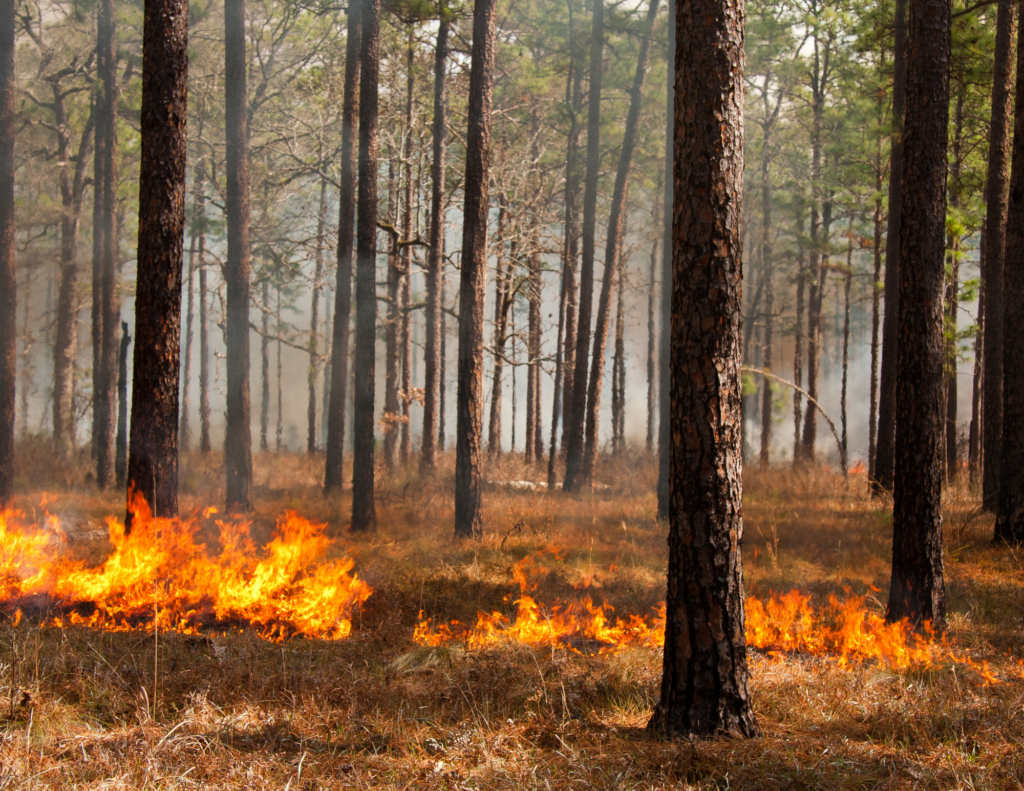
Why It Matters: The Wildfire Emissions Prevention Act (WEPA) continues to be a prime example of the power of pragmatism and bipartisanship as it moves through the legislative process. After moving out of Senate Committee on Environment and Public Works just a few weeks ago, WEPA’s unanimous passage out of the Senate fuels optimism for this bill becoming law in 2026.

Highlights:

  • Last Wednesday, the U.S. Senate voted unanimously to advance the bipartisan Wildfire Emissions Prevention Act.
  • This legislation promotes the use of prescribed fire by updating the Clean Air Act, removing regulatory barriers that have barred smoke pollution associated with the practice.

Last week, The U.S. Senate voted unanimously to advance S.5045, the Wildfire Emissions Prevention Act of 2026 (WEPA), just weeks after the bill was unanimously supported by the Senate Committee on Environment and Public Works. As previously reported, the bipartisan legislation focuses on updates to the Clean Air Act that would exempt the air pollutants resulting from prescribed fire from regulatory decisions under the Clean Air Act.

This achievement is a prime example of the role that pragmatic, bipartisan approaches to the legislative process can play in achieving important conservation outcomes. The Congressional Sportsmen’s Foundation continues to celebrate WEPA’s Senate victory while championing the legislation as a critical step toward promoting the responsible use of prescribed fire while recognizing the associated benefits for wildlife, including many popular game species.


CSF CONTINUES LONGSTANDING REPRESENTATION ON FEDERAL HUNTING AND CONSERVATION ADVISORY COUNCIL
Why It Matters: The Hunting and Shooting Sports Conservation and Access Council (HSSCAC) provides the sporting-conservation community with a direct opportunity to help inform federal policies affecting hunting, recreational shooting, wildlife conservation, and public access. The Congressional Sportsmen’s Foundation (CSF) welcomes Secretary of the Interior Doug Burgum’s establishment of the Council and appreciates the opportunity for sportsmen and women to continue providing meaningful input on federal conservation and land management decisions.

Highlights:

  • On September 21, the Department of the Interior (DOI) announced appointments to the HSSCAC, including CSF Senior Vice President and COO Taylor Schmitz.
  • Schmitz was appointed to represent wildlife and habitat conservation and management organizations.
  • The Council will advise the Secretaries of the Interior and Agriculture on issues affecting wildlife conservation, hunting and recreational shooting, partnerships, and public access.
  • CSF has maintained a longstanding presence on federal advisory councils focused on hunting, conservation, and access; and, is the only organization to have served on every iteration of this particular Council as a regular member dating back to the establishment of the first Sporting Conservation Council in 2006.

Last week DOI announced the appointments to the HSSCAC, which is tasked with providing recommendations on the establishment and implementation of existing and proposed federal policies affecting wildlife and habitat conservation, hunting and the shooting sports, and public access. The Council will also focus on strengthening partnerships among the sporting-conservation community and federal, state, Tribal, and territorial governments.

By bringing hunters, recreational shooters, conservation organizations, and other stakeholders directly into these discussions, the Council provides DOI and the Department of Agriculture (USDA) with practical experience from those who actively participate in and support wildlife conservation. Secretary Burgum has emphasized the Council’s role in expanding access, strengthening conservation, and carrying America’s hunting and outdoor traditions forward.

CSF appreciates Secretary Burgum and DOI’s continued recognition of the important role that sportsmen and women play in conserving America’s fish and wildlife resources and supporting access to hunting and recreational shooting opportunities.

CSF has maintained a longstanding presence on federal advisory councils focused on hunting, conservation, and access, dating back to the establishment of the Sporting Conservation Council in 2006.

Through Schmitz’s appointment, CSF looks forward to working with DOI, USDA and fellow Council members to advance conservation, expand access, and ensure the perspectives of America’s sportsmen and women remain part of federal decision-making.


WHEN LICENSE FEES AREN’T ENOUGH: EXPLORING OTHER OPPORTUNITIES FOR CONSERVATION FUNDING 

Article Contact: Mark Lance
Why It Matters: The cost of managing resources held in the public trust, maintaining public access, and delivering conservation programs continues to increase while hunting and fishing license revenues are failing to catch up. As a result, agencies in several states have considered implementing license fee increases to help close budget gaps. While license fees remain an essential component of conservation funding, dramatically increasing the cost of participation can place additional pressure on the very sportsmen and women who provide the foundation for fish and wildlife conservation.

Highlights:

  • State fish and wildlife agencies across the country are confronting growing operating costs and budget shortfalls, putting pressure on license holders through increased license fees and new online licensing systems that aim to reduce costs for the agencies while hitting license holders with additional processing and convenience fees and more.
  • Tennessee and Virginia are two of the latest states that have approved license fee increases in an effort to overcome budgetary shortfalls.
  • Rather than solely going after license fee increases, there are other avenues to achieve funding goals, such as a dedicated sales tax on outdoor gear revenue for conservation.
  • CSF has been a leading voice championing dedicated conservation funding mechanisms and protecting sportsmen-driven conservation funding for decades.

For generations, hunters and anglers have played the primary role in funding fish and wildlife conservation through hunting and fishing licenses, as well as through the federal excise taxes generated by the purchase of firearms, ammunition, archery equipment, fishing tackle, and other outdoor-related products. This “user pays – public benefits” structure, commonly referred to as the American System of Conservation Funding, has provided billions of dollars for conservation and remains the backbone of state fish and wildlife agency funding.

As hunters and anglers, we take great pride in our role as conservationists and recognize the important responsibility we have carried as the primary funders of conservation in the country for nearly a century. CSF has supported many modest license fee increases in recent years as a means of ensuring state fish and wildlife agencies have the resources necessary to effectively manage fish and wildlife populations. While we remain proud to continue shouldering this responsibility, there comes a point when continually increasing costs on a single user group can create a barrier to participation and, ultimately, undermine the very conservation funding those increases are indented to support. When that point is reached, we should look to additional, dedicated revenue streams that can complement license revenues while maintaining hunters and anglers as the primary funders of conservation.

In August, the Tennessee Fish and Wildlife Commission approved a proposed license fee structure that would increase hunting and fishing license fees by an average of 29% to help address a multi-million-dollar budget deficit. Virginia also recently approved increases after the state’s Department of Wildlife Resources identified rising costs and a budget that had not kept pace with inflation.

State policymakers should explore additional options for dedicated sources of conservation funding that complement the contributions of hunters and anglers. One example is Texas’ Sporting Goods Sales Tax, which generates upwards of $160 million per year. Other examples are  Missouri and Arkansas’s dedicated conservation sales tax, which provides 1/8th of 1% of sales tax revenue specifically for conservation. A dedicated sales tax apportionment for conservation provides a broader funding base by collecting revenue on items used in our outdoor pursuits while also maintaining license revenue and federal excise-tax funding, which maintains the important connection between those who participate in outdoor activities and the conservation of the resources they enjoy.

The goal should not be to move away from the user-pays model, nor should the states price more people out of participating in our shared outdoor traditions. Instead, alternate dedicated funding mechanisms are available that don’t place additional, burdensome costs on hunters and anglers when they go to purchase their annual licenses.


NATIONAL HUNTING AND FISHING DAY 2026: AMERICA’S SPORTSMEN AND WOMEN CELEBRATE 250 YEARS OF OUTDOOR HERITAGE
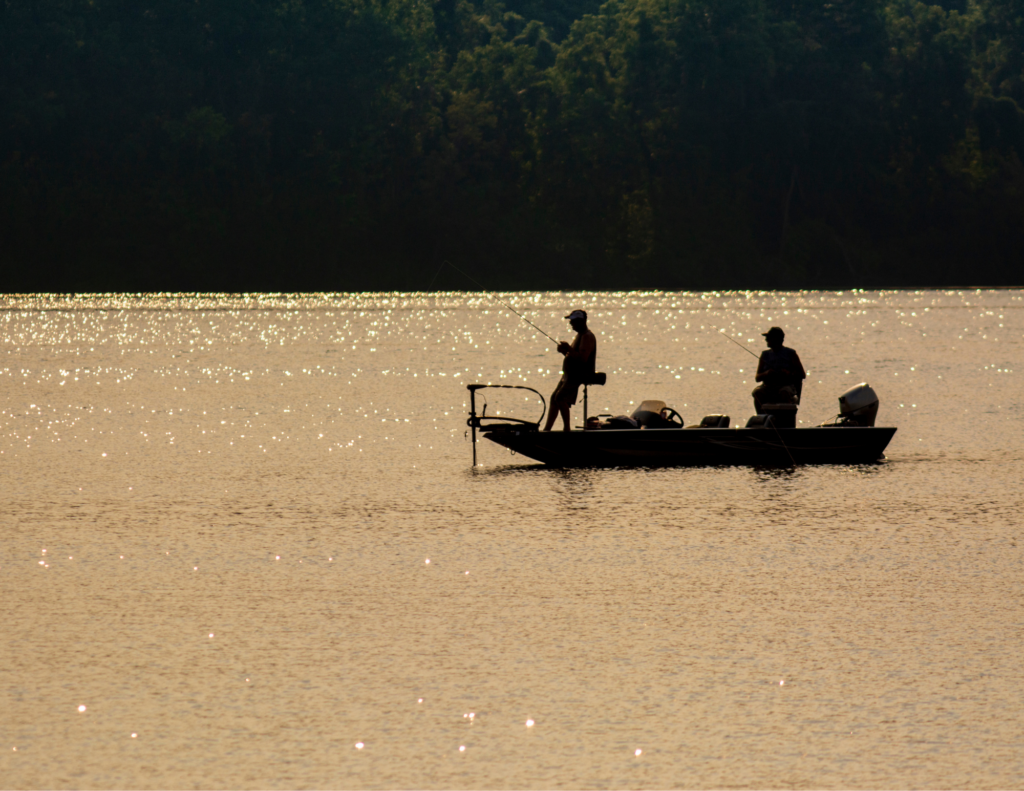
September 28, 2026 – WASHINGTON, D.C. – On Saturday, September 26, the nation came together to celebrate National Hunting and Fishing Day (NHF Day), recognizing the contributions of America’s sportsmen and women and the critical role they have played in conserving the nation’s fish, wildlife, habitat, and outdoor heritage.

Established by Congress in 1971 and first observed in 1972, National Hunting and Fishing Day is celebrated annually on the fourth Saturday of September. For more than five decades, NHF Day has provided an opportunity to recognize the longstanding traditions of hunting and fishing while highlighting the significant economic and conservation contributions generated by America’s outdoor sporting community.

The 2026 observance held particular significance as the nation celebrated its 250th anniversary. The 250th anniversary provided an important opportunity to recognize the generations of sportsmen and women who helped shape that legacy and whose continued participation will help define conservation for the next 250 years.

Since 2015, the Congressional Sportsmen’s Foundation (CSF) has worked with the Administration and governors to secure formal proclamations for National Hunting and Fishing Day.  This year, CSF secured a presidential proclamation from President Donald Trump, 45 gubernatorial proclamations, 1 state resolution, and 1 legislative citation. These recognitions underscored the importance of hunting, fishing, and other outdoor sporting activities to conservation, local economies, and communities across the country.

“America’s 250th anniversary provided a meaningful opportunity to recognize the conservation legacy that sportsmen and women have helped build over generations,” said Taylor Schmitz, CSF Senior Vice President and COO. “Hunters, anglers, recreational shooters, and trappers have consistently demonstrated their commitment to conserving our nation’s natural resources through their participation, financial contributions, and support for science-based wildlife management. National Hunting and Fishing Day allows us to recognize that record of stewardship while looking toward the work that remains ahead.”

Sportsmen and women continue to serve as the cornerstone of America’s conservation funding model through the American System of Conservation Funding (ASCF). Through license fees, excise taxes, permits, stamps, and other direct contributions, hunters, anglers, recreational shooters, trappers, and the industries that support them generate billions of dollars for state-led fish and wildlife conservation and habitat management.

These investments support a broad range of conservation priorities, including wildlife research, habitat restoration, fisheries management, public access, population monitoring, and other programs that benefit wildlife, outdoor recreation, and communities nationwide. Participation in America’s outdoor traditions translates into meaningful, on-the-ground conservation outcomes that benefit both sportsmen and non-sportsmen.

National Hunting and Fishing Day recognizes these contributions while encouraging continued engagement in America’s outdoors. Johnny Morris’ Wonders of Wildlife National Museum and Aquarium in Springfield, Missouri, serves as the official home of National Hunting and Fishing Day, while Bass Pro Shops locations and conservation organizations across the country support events and activities that bring the celebration to communities nationwide.

For more information on National Hunting and Fishing Day, please visit www.NHFDay.org, and for a list of the proclamations that were issued this year please visit National Hunting and Fishing Day – Congressional Sportsmen’s Foundation. For more information about the Congressional Sportsmen’s Foundation’s celebration of America’s 250th, click here.


SENATE COMMITTEE ON ENVIRONMENT AND PUBLIC WORKS ADVANCES WILDFIRE EMISSIONS PREVENTION ACT 

Article Contact: Kent Keene

Why It Matters: Advancing legislation through the United States Senate continues to be incredibly challenging, typically requiring strong bipartisan support for a bill to move out of Committee. As previously reported, the bipartisan Wildfire Emissions Prevention Act (WEPA) represents a shining example of the power that common sense legislation can display as it moves through the legislative process. Advancing from the Senate Committee on Environment and Public Works on a 19-0 vote, WEPA can now be considered by the full Senate.

Highlights:

  • Last Wednesday, the Senate Committee on Environment and Public Works voted 19-0 to advance the bipartisan Wildfire Emissions Prevention Act.
  • This legislation promotes the use of prescribed fire by updating the Clean Air Act, removing regulatory barriers that have barred smoke pollution associated with the practice.

Last Wednesday, members of the Senate Committee on Environment and Public works voted unanimously to advance S.5045, the Wildfire Emissions Prevention Act of 2026 (WEPA). As previously reported, the bipartisan legislation focuses on updates to the Clean Air Act that would exempt the air pollutants resulting from prescribed fire from regulatory decisions under the Clean Air Act. Recognizing the role that prescribed burning can play in reducing wildfire risk while improving habitat quality and availability for wildlife, the Congressional Sportsmen’s Foundation (CSF) is proud to see this legislation advance out of Committee.

The Congressional Sportsmen’s Foundation, along with many partners, continues to express support for WEPA as it continues its journey through the legislative process. CSF is a strong proponent of policies and regulations that promote the implementation of prescribed fire and the associated benefits for wildlife, including many popular game species. Further, and particularly true in recent years, CSF stands with partners in recognizing the role of good (prescribed) fires in the prevention of bad ones (wildfire).


PRESIDENT TRUMP WELCOMES NATION’S CONSERVATION LEADERS TO WHITE HOUSE, SIGNS EXECUTIVE ORDERS SUPPORTING AMERICA’S OUTDOOR HERITAGE 

(September 17, 2026) – WASHINGTON, D.C. – Tonight, the Congressional Sportsmen’s Foundation (CSF) joined approximately 100 leaders from across the nation’s hunting, fishing, and shooting sports community at the White House, where President Donald J. Trump hosted a Great American Outdoorsmen dinner in the Rose Garden celebrating America’s rich outdoor heritage and the millions of sportsmen and women who play a vital role in conserving our nation’s fish, wildlife, and natural resources. The first ever such celebration of America’s sportsmen and women in the Rose Garden.

During the event, President Trump signed two important Executive Orders for sportsmen and women, “Reinvigorating America’s Hunting Heritage” and “Restoring American Saltwater Angling and Recreation” that will take important steps to improving access, habitat conservation, fish and wildlife management, and our outdoor traditions.  The Executive Orders represent another significant step in recognizing the important role that hunting, fishing, recreational shooting, and other outdoor traditions play in conservation, economic opportunity, and the American way of life.

“The Congressional Sportsmen’s Foundation commends President Trump for bringing together leaders from across the sportsmen’s community and recognizing the tremendous contributions hunters, anglers, trappers, and recreational shooters make to our nation,” said Jeff Crane, President and CEO of the Congressional Sportsmen’s Foundation. “America’s outdoor heritage is one of our nation’s greatest traditions, and today’s event demonstrates the President’s continued commitment to ensuring these traditions remain strong for generations to come.”

The gathering builds upon a series of actions by the Trump Administration recognizing the importance of America’s sportsmen and women. In July 2025, President Trump established the Make America Beautiful Again Commission, an initiative that recognizes the importance of conserving America’s natural resources while expanding opportunities for outdoor recreation, including hunting and fishing. Beautiful Again represents a critical commitment to America’s sportsmen and women and our nation’s conservation efforts.

The President has also recognized the contributions of America’s recreational shooting community through National Shooting Sports Month, highlighting both the nation’s longstanding shooting traditions and the critical conservation funding generated by participants in the shooting sports through the Pittman-Robertson Wildlife Restoration Act. This event and Executive Order come in the lead-up to National Hunting and Fishing Day, which will be held on September 26th in honor of the impact sportsmen and women have on America’s rich conservation legacy.

“Sportsmen and women are America’s most important conservationists,” said Taylor Schmitz, Senior Vice President and COO of the Congressional Sportsmen’s Foundation. “Through the purchase of hunting and fishing licenses, excise taxes on firearms, ammunition, archery equipment and fishing equipment, and their direct contributions of time and resources, America’s sportsmen provide billions of dollars for fish and wildlife conservation. This event and these Executive Orders reinforce the importance of keeping our public lands and waters accessible and our outdoor traditions thriving.”

The Congressional Sportsmen’s Foundation looks forward to working with the Administration, Congress, state fish and wildlife agencies, and the broader sportsmen’s community to continue to advance policies that protect and enhance opportunities for hunting, fishing, recreational shooting, and other outdoor activities.


CSF FEATURED IN CONGRESSIONAL FIRE FUNDING BRIEFING 

Article Contact: Kent Keene
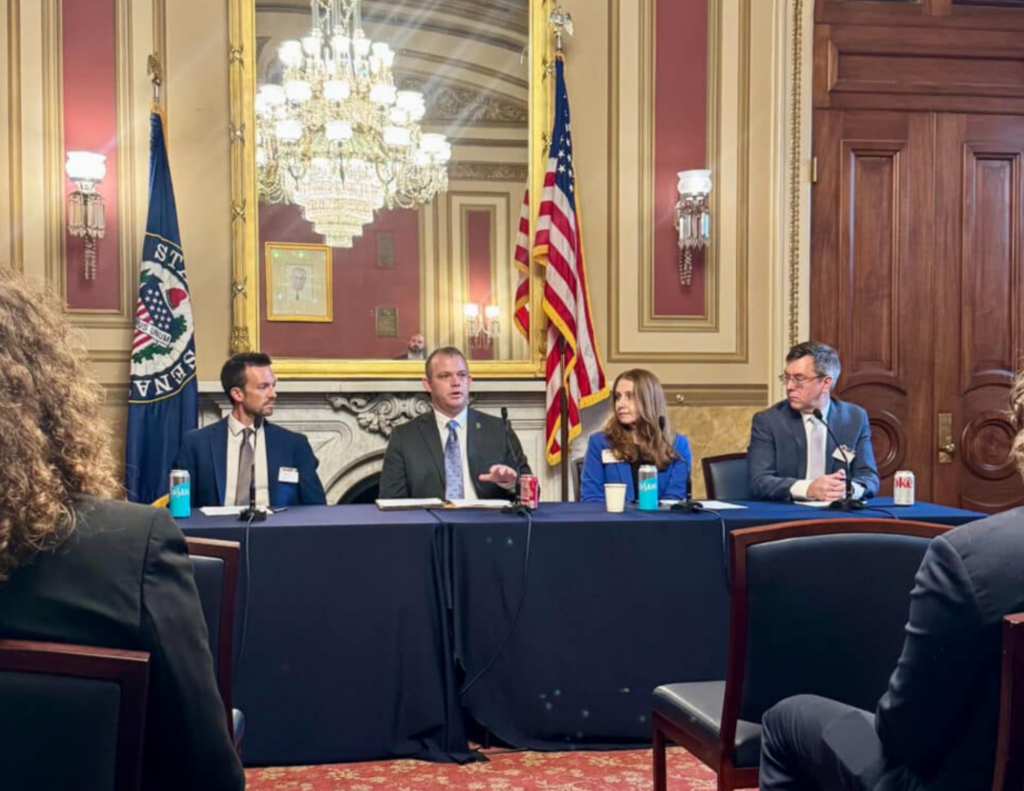
Why It Matters: In 2018, Congress passed legislation to specifically fund wildfire efforts, ending the cycle of “borrowing” from federal agency budgets to address the growing cost of wildfire suppression, mitigation, and recovery. Known as the “Fire Funding Fix,” this investment is set to expire in 2027. Without dedicated wildfire funding, agencies may be forced to return to “fire borrowing” practices to utilize resources from other wildlife, forest, or access management projects, contributing to the growing maintenance backlog on our nation’s public lands.

Highlights:

  • Funding for the Wildfire Suppression Operations Reserve Fund, commonly referred to as the “Fire Funding Fix,” is set to expire in 2027.
  • The “Fire Funding Fix” ended the cycle of “fire borrowing” in which the U.S. Forest Service and the Department of the Interior were forced to utilize funding from other projects to address increasing needs and costs associated with wildfires.
  • Last week, the Congressional Sportsmen’s Foundation (CSF) was a featured panelist during a Congressional briefing to raise awareness about the need to reauthorize the “Fire Funding Fix” to both address wildfire needs and protect funding for other important management projects.

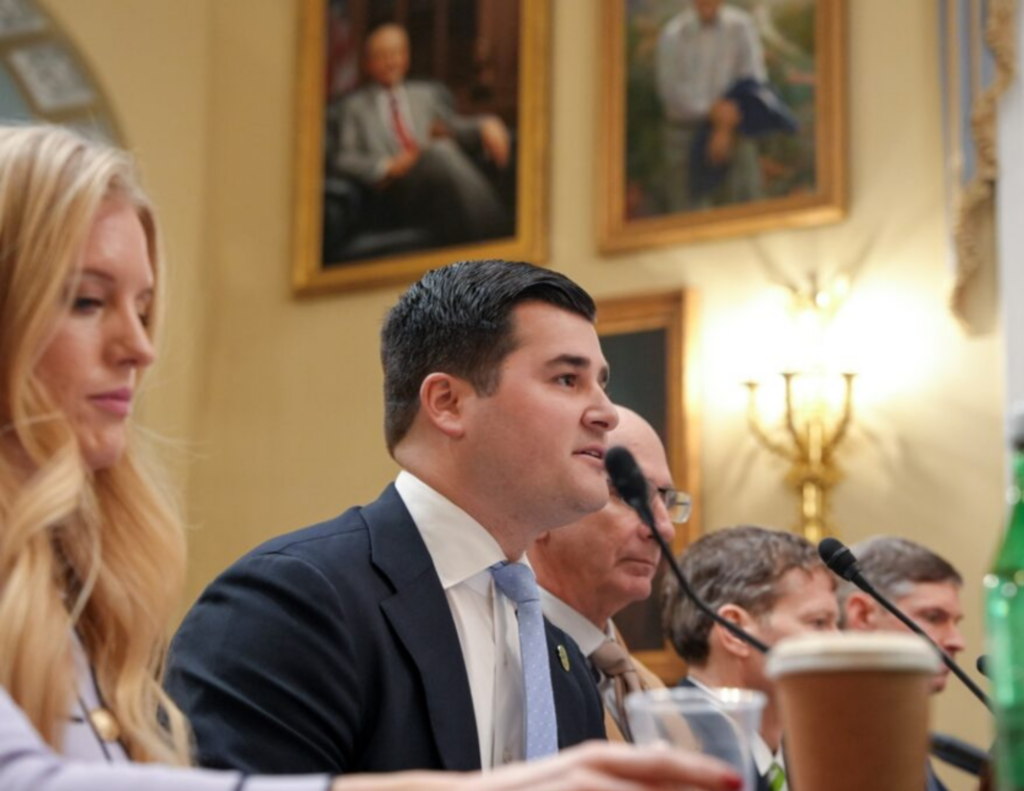
On September 17th, Kent Keene, the Congressional Sportsmen’s Foundation’s Senior Manager of Working Lands Policy, participated as a panelist during a Congressional briefing in support of reauthorizing the Wildfire Suppression Operations Reserve Fund. This fund, also commonly referred to as the “Fire Funding Fix,” was authorized by Congress in 2018, ending the cycle of “fire borrowing” in which the U.S. Forest Service and the Department of the Interior diverted funding from other projects to address the increasing costs associated with wildfires.

As the panel’s representative for sportsmen and women, CSF’s support for the “Fire Funding Fix” highlighted the impacts that “fire borrowing” and the increasing costs of wildfire suppression had on the growing maintenance backlog on our nation’s public lands. Sportsmen and women know firsthand that reduced management can concentrate game in small pockets of suitable habitat or drive them to private property. This contributes to the increasing perception of competition among hunters that can decrease overall hunting satisfaction and impact participation rates. For anglers, particularly those who pursue cold-water species like trout and salmon in the West, lapsed management, combined with wildfires, can increase erosion risk and degrade aquatic ecosystems and their associated fisheries.

The “Fire Funding Fix”, by itself, is not the solution to the growing maintenance backlog on our federal lands, but it does represent an important piece of that puzzle. By providing a dedicated reserve, the “Fix” allows other laws, like the Great American Outdoors Act, to fulfill their role all in support of healthy, well managed public lands. As such, CSF will continue to support its reauthorization as a priority ahead of its 2027 expiration.

You may also like

Purina Celebrates 127th Ann...

The role corn plays for gamebirds and economies ac...

Policy Corner Brief: SEPTEM...

Sportsmen’s conservation policy issues from publ...

Policy Corner Brief: AUGUST...

Sportsmen’s conservation policy issues from publ...

ADVERTISEMENT