











Policy Corner Brief: AUGUST 2026
CONGRESSIONAL SPORTSMEN’S FOUNDATION CELEBRATES DEFEAT OF OREGON’S EXTREME ANTI-HUNTING AND FISHING BALLOT INITIATIVE
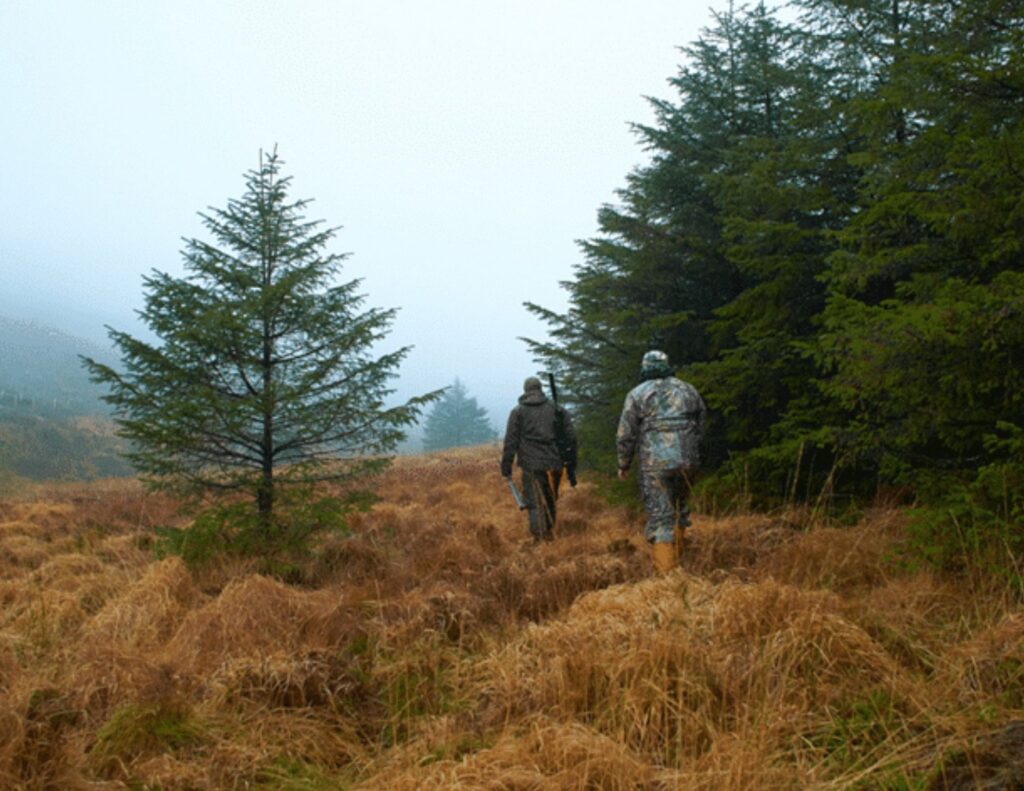 (July 24, 2026) – Salem, OR – The Congressional Sportsmen’s Foundation (CSF) today celebrated the failure of Oregon’s Initiative Petition 28 (IP 28), the so-called “People for the Elimination of Animal Cruelty Exemptions (PEACE) Act,” after the Oregon Secretary of State’s Elections Division announced the measure failed to gather enough valid signatures to qualify for the November 3, 2026, General Election ballot.
The Elections Division determined the Petition contained 104,262 valid signatures – well short of the number required to qualify for the ballot.
The announcement marks the latest victory in CSF’s longstanding effort to defeat repeated attempts to criminalize hunting, fishing, trapping, livestock production, and other lawful wildlife management and agricultural practices in Oregon. For years, CSF has worked alongside state and national partners to oppose multiple versions of these extreme proposals by educating policymakers, mobilizing stakeholders, and providing factual analysis on the devastating consequences such measures would have for fish and wildlife conservation, rural communities, and America’s sporting traditions.
IP 28 represents the latest in a series of recurring efforts to prohibit or criminalize lawful hunting, fishing, trapping, and livestock production in Oregon – efforts that CSF has consistently opposed alongside its conservation and agricultural partners.
Had it qualified for the ballot, IP 28 would have effectively eliminated long-standing exemptions within Oregon’s animal cruelty statutes that protect lawful hunting, angling, trapping, livestock production, and science-based wildlife management practices. The initiative represented one of the broadest attacks on the North American Model of Wildlife Conservation and sustainable use of natural resources ever proposed in the United States.
“This is an important victory not only for Oregon’s hunters, anglers, trappers, farmers, and ranchers, but for everyone who values science-based wildlife management and the conservation successes it has delivered for generations,” said Taylor Schmitz, Senior Vice President and Chief Operating Officer of the Congressional Sportsmen’s Foundation. “CSF’s States Program Team worked tirelessly alongside our in-state and national partners throughout this process – just as we have during every previous iteration of this proposal – to educate policymakers, sportsmen and women, and the public about what was truly at stake. While today’s outcome is worth celebrating, we remain committed to ensuring future efforts to undermine our sporting traditions and proven conservation model are met with the same coordinated, science-based response.”
Throughout the petition process, CSF led efforts to educate policymakers and stakeholders on the far-reaching impacts of IP 28 through legislative engagement, coalition building, policy analysis, and public outreach. The Foundation worked closely with conservation organizations, agricultural interests, sporting groups, and other partners to ensure decision-makers understood that the initiative extended far beyond animal welfare, threatening lawful conservation practices that have restored wildlife populations, funded habitat conservation, and supported Oregon’s outdoor heritage for generations.
Oregon Legislative Sportsmen’s Caucus Co-Chair, Senator David Brock-Smith, said, “The failure of IP 28 to make November’s ballot is a major win for not only Oregon sportsmen and women, but our farmers, ranchers, and outdoor enthusiasts. Make no mistake however, radical policies like this will be back and we must stand against them. These outside interest groups continue to try and use Oregonians as their experiment. Today is a win and we will continue to work against such efforts that negatively impact our right to hunt, fish, farm, and forage.” Senator Anthony Broadman, Oregon Legislative Sportsmen’s Caucus Co-Chair, said, “Hunting and fishing for food is a part of who we are for many Oregonians. I’m encouraged that Oregonians saw this effort for what it was, and showed support for local, affordable food produced by Oregon farmers and ranchers. I’m looking forward to hunting and fishing this season and seeing many Oregonians on the water and in the field.”
Although IP 28 failed to qualify for the 2026 ballot, CSF remains committed to working with the Oregon Legislative Sportsmen’s Caucus, conservation partners, and stakeholders to defend the rights of hunters, anglers, recreational shooters, trappers, and landowners against future attempts to dismantle the state’s sporting traditions.
TENNESSEE EYES LICENSE FEE INCREASE
Article Contact: Conner Barker
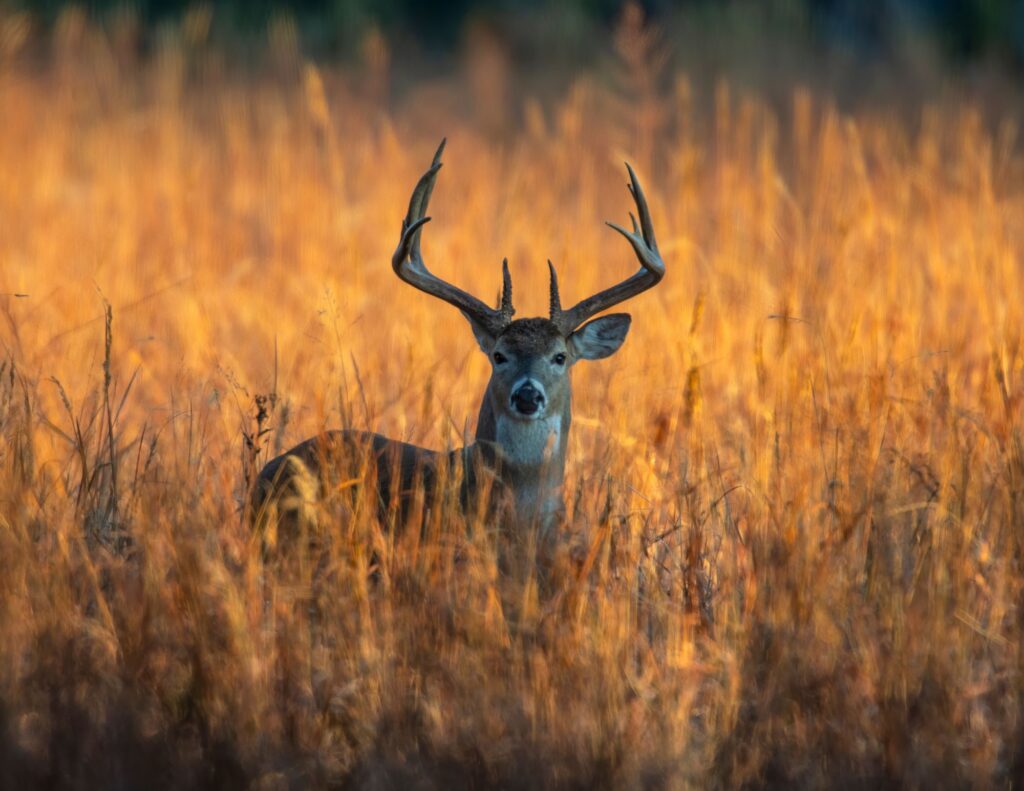 Why It Matters: Widely known as the most successful conservation framework in the world, the North American Model of Wildlife Conservation has flourished, in part, due to the “user pays – public benefits” structure of the American System of Conservation Funding (ASCF). Sportsmen and women play a pivotal role in this system through the purchase of sporting licenses. Thus, hunters make up the bulk of the funding for most state fish and wildlife agencies.
Highlights:
- In December 2024, the Tennessee Fish and Wildlife Commission (Commission) voted to increase most hunting and fishing licenses by approximately 28%, among other changes.
- In 2025, that same license fee increase that was approved by the Commission was withdrawn from consideration before it could receive final approval from the Joint Government Operations Committee.
- As previously reported, throughout the 2026 legislative session, the Congressional Sportsmen’s Foundation (CSF), alongside numerous other sporting conservation partners, advocated for a dedicated conservation funding mechanism in Tennessee, which ultimately did not come to fruition this year although the Tennessee Wildlife Resources Agency (TWRA) did receive a $10 million appropriation.
- Now, once again, there is a proposed license fee increase to address the funding gap facing the TWRA.
On the heels of the 114th Tennessee General Assembly, there is both welcome news and work to do. On the upside, the TWRA received a much-needed $10 million investment from Governor Lee’s fiscal budget. On the other hand, an all-hands-on-deck effort to secure a sustainable, dedicated conservation funding mechanism in the Volunteer State fell short.
With no dedicated funding source in place following this year’s legislative session, the TWRA is once again looking at a license fee increase similar to the December 2024 proposal to bridge the funding gap that the agency is experiencing. Overall, Tennessee’s hunters and anglers could see an increase of approximately 27%, among other license restructuring changes. The Commission is set to discuss the proposal at its upcoming meeting on August 21 in Nashville. If passed by the Commission, the proposed change will still need final approval from the Joint Government Operations Committee before becoming effective next year.
It has been over 10 years since the last license fee increase in Tennessee. Since then, the cost of doing business has consistently increased while funding for the Agency has not kept up. Even with the budget shortfalls, the TWRA has been expected to deliver the same on the ground conservation work, maintain an effective law enforcement presence, and manage the state’s game and non-game species for all of Tennessee. While a license fee increase in accordance with the Consumer Price Index would be welcome news for the TWRA, a long-term, more sustainable funding model should still be top priority for hunters, anglers, and game managers alike.
CSF remains committed to working with in-state and national partners, the TWRA, and members of the Tennessee Legislative Sportsmen’s Caucus to move forward an impactful and much-needed dedicated conservation funding mechanism as we lead up to the 2027 legislative session. There are several examples of dedicated funding mechanisms that are successful in other states, like a dedicated tax on outdoor gear or dedicating lottery funds to conservation, for example.
CSF PRIORITIES REMAIN IN-PLAY AS FARM BILL FACES CHALLENGES IN SENATE
Article Contact: Kent Keene
 Why It Matters: Despite expiring in 2023 and operating on one-year continuations since, the Farm Bill, particularly the Farm Bill’s Conservation Title, remains a top priority for supporting meaningful, voluntary conservation on private lands. While the House passed a new Farm Bill earlier this year, the recent markup of the Senate’s version resulted in a stalemate. As most disagreements over the legislation stem from topics well outside of the Conservation Title, hope remains that a bipartisan Farm Bill can be achieved this year.
Highlights:
- Last Thursday, the Senate Committee on Agriculture, Nutrition and Forestry held a business meeting to mark up the Committee’s draft of the Farm Bill.
- During this meeting, the overall package failed to advance out of committee, driven largely by disagreements over provisions related to the Supplemental Nutrition Assistance Program (SNAP).
- While this was a setback for the overall package as the end of the 119th Congress approaches, hope remains strong that a Farm Bill which still includes many of the Congressional Sportsmen’s Foundation’s (CSF) priorities can be passed.
Last Thursday, the Senate Committee on Agriculture, Nutrition and Forestry Chairman and Senate Co-Chair of the Congressional Sportsmen’s Caucus Senator John Boozman (AR) led the Senate Committee’s markup of their draft of the next Farm Bill. Unfortunately, partisan division, primarily over proposed changes to the Supplemental Nutrition Assistance Program (SNAP), resulted in the bill failing to advance out of Committee. Though this is a significant snag in the Farm Bill process, the Committee will continue to work toward compromises in hopes of passing a Farm Bill before Congress adjourns.
Ahead of the meeting, much had been said about the draft’s proposal to retool Conservation Title funding from the Environmental Quality Incentives Program (EQIP) and Conservation Stewardship Program (CSP) to support new opportunities like the Forest Conservation Easement Program (FCEP), State Conservation Assistance Program, and updates and improvements to other conservation programs. Opponents of this move point to the high rejection rate among EQIP applicants in 2025, suggesting that this plan would essentially rob already oversubscribed programs and called for amendments, some of which were considered, to rescind this redistribution of funds.
While EQIP and CSP are both incredibly popular and continue to be oversubscribed, it is important to note that funding alone was not the only factor that contributed to last year’s high rejection rate. Staffing shortages, changes in funding availability, and adjustments of payment limits also contributed to 2025’s high rejection rate. It is true that EQIP and CSP demand remain high, but simply adding dollars doesn’t address every problem, and the Conservation Title’s role in supporting voluntary conservation efforts on private lands requires Congress to consider the broader conservation portfolio.
Further, updates to the Farm Bill’s permanent baseline through the One Big Beautiful Bill Act of 2025, which reallocated unobligated funds originally authorized through the Inflation Reduction Act of 2022, resulted in baseline funding for EQIP, CSP, and other programs reaching all-time highs. However, because legislative rules prevented Congress from establishing new conservation programs through the One Big Beautiful Bill Act, Congress relied on existing authorities within the Conservation Title to establish a higher baseline, providing future Farm Bills with the opportunity to allocate those resources among existing and new conservation priorities. Despite all of this, funding for EQIP and CSP would remain significantly higher than they were under the 2018 Farm Bill, contributing to an overall Conservation Title that provides landowners with a suite of voluntary, incentive-based tools that address a diversity of conservation challenges and opportunities on private lands.
The Congressional Sportsmen’s Foundation remains committed to supporting strong investments in the Farm Bill’s Conservation Title, highlighting the role that each of these programs play in supporting wildlife conservation and associated opportunities for sportsmen and women. While the need for a budget-neutral Farm Bill will undoubtedly prevent every conservation program from receiving the funding levels necessary to meet all demand, CSF remains supportive of meaningful funding for both existing programs and new priorities like FCEP, the forest-focused complement to existing working lands programs designed to keep forests working, conserve wildlife habitat, and address development pressures. CSF will continue to work with partners and Congress to advance a Farm Bill with a strong Conservation Title.
WHY THE “OFF-SEASON” IS A GREAT TIME TO GET INVOLVED IN THE PUBLIC POLICY PROCESS
Article Contact: Kaleigh Leager
 Why It Matters: Across the US, most legislative sessions have either adjourned or are in summer recess, meaning most legislators are back in their home districts. Requesting a meeting with your legislator(s) outside of the hustle and bustle of the legislative season is the perfect time for sportsmen and women to become familiar with their state representative’s stance on sporting issues as well as allowing them to share their personal perspectives and opinions on our sporting heritage.
Highlights:
- In the Mid-Atlantic Region, Delaware, Maryland, Virginia, and West Virginia’s legislative sessions have adjourned, while Pennsylvania remains in session until the end of November, but is currently in recess until September. (they are a full-time legislature). This means elected officials in these states are likely already considering legislation for the 2027 legislative session.
- Meeting with your elected officials at the state government level allows you to familiarize yourself with their policy priorities and assists sportsmen and women in building rapport with their representatives.
- Working with your state representatives in the off-season allows sportsmen and women to get ahead of the curve when it comes to reoccurring issues in their state as well as ahead of any potential new legislative trends.
The Mid-Atlantic region is a great example of an area that is important for sportsmen and women to start getting more involved in the public policy process. This Mid-Atlantic, like many other regions, sees a vast array of legislation related to issues sportsmen and women should care deeply about. Looking back at the 2026 legislative sessions, CSF has currently engaged on 57 items in the region. some of the many topics in the Mid-Atlantic region included modern sporting firearms; lead ammunition; Sunday hunting; free and/or discounted hunting, fishing, and trapping licenses; and much more.
Scheduling a meeting with your state level elected officials now, instead of later, can help you further understand both the political environment and the public policy process, to help inform you of potential legislation for the upcoming legislative session. These meetings can be more than just beneficial for sportsmen and women; it can also be beneficial for your elected official. Meeting with your elected officials during the off-season keeps your representatives engaged and abreast of the issues their constituency cares about. Sportsmen and women can use this time to provide information to educate legislators on the impacts that their votes have on sportsmen and women in your state, and potentially, nationally.
The Congressional Sportsmen’s Foundation (CSF) encourages all sportsmen and women to be actively involved in the public policy process and to pay close attention to all legislation and regulations that may impact their ability to participate in their beloved outdoor sporting heritage. Additionally, CSF encourages you to keep in contact with your legislators to share your stance on sportsmen and women’s policy issues.
WILDFIRES REMAIN A HOT TOPIC ON CAPITOL HILL
Article Contact: Kent Keene

Why It Matters: As fire season continues across much of North America, actions designed to mitigate the destruction wildfires cause continue to be a timely and important topic in Washington, D.C. As one of the most efficient and cost-effective tools for reducing both the frequency and severity of wildfires, support for prescribed burning continues to grow, representing an opportunity to advance policy solutions that the sporting-conservation community has been championing for years. As calls for the responsible use of prescribed fire continue, legislative and regulatory updates to eliminate barriers to its use will continue to be a top priority.
Highlights:
- Prescribed fire is an important habitat management tool that can reduce the frequency and severity of wildfires while improving habitat quality for many species of wildlife.
- Despite the many benefits associated with prescribed fire, legislative and regulatory barriers have impaired the ability of practitioners to use this important management practice.
- The recently introduced Wildfire Emissions Prevention Act of 2026 (WEPA) seeks to eliminate some of these barriers. By creating exceptions for pollutants caused by prescribed fire from regulatory decisions associated with the Clean Air Act, WEPA will allow prescribed burning to continue to play a role in mitigating wildfires and the tremendous pollutants that they can release.
Last week, a bipartisan coalition of Senate Committee on Environment & Public Works and Congressional Sportsmen’s Caucus (CSC) Members, including CSC Chairman Senator Boozman and Senators Capito, Curtis, Kelly, Merkley, and Padilla, introduced the Wildfire Emissions Prevention Act of 2026 (WEPA). Rooted in an understanding of the critical role that prescribed fire plays in limiting the frequency and severity of wildfires while promoting quality wildlife habitat, WEPA focuses on updates to the Clean Air Act that would exempt the air pollutants resulting from prescribed fire from regulatory decisions under the Clean Air Act.
Prescribed fire does result in the release of smoke and other pollutants into the atmosphere. However, the low intensity and slow rate of spread common among responsibly applied prescribed fires result in far less smoke and other pollutants than the devastating wildfires that we continue to see in many areas across North America. Alternatively, and as many in the Eastern United States can attest following weeks of wildfires in Canada, large scale wildfires, often occurring in unburned and unmanaged forests, result in the release of tremendous amounts of greenhouse gasses and other air pollutants that can cause impacts across wide regions. WEPA recognizes the role that prescribed fires play in lowering wildfire risks and significantly reducing, if not preventing, wildfire-associated emissions.
The Congressional Sportsmen’s Foundation (CSF), along with many partners, has expressed support for WEPA as it begins its journey through the legislative process. CSF is a strong proponent of policies and regulations that promote the implementation of prescribed fire and the associated benefits for wildlife, including many popular game species. Recent CSF priorities related to prescribed fire include updates to state liability standards, increased opportunities to implement prescribed fire and other active forest management actions through the Fix Our Forests Act, and the availability of information from state and federal agencies designed to promote the benefits of responsibly implemented prescribed fire in appropriate ecosystems across the country.
UPDATE: PENNSYLVANIA’S HUNTER & TRAPPER EDUCATION IN SCHOOLS LEGISLATION PASSES OUT OF THE HOUSE
Article Contact: Kaleigh Leager
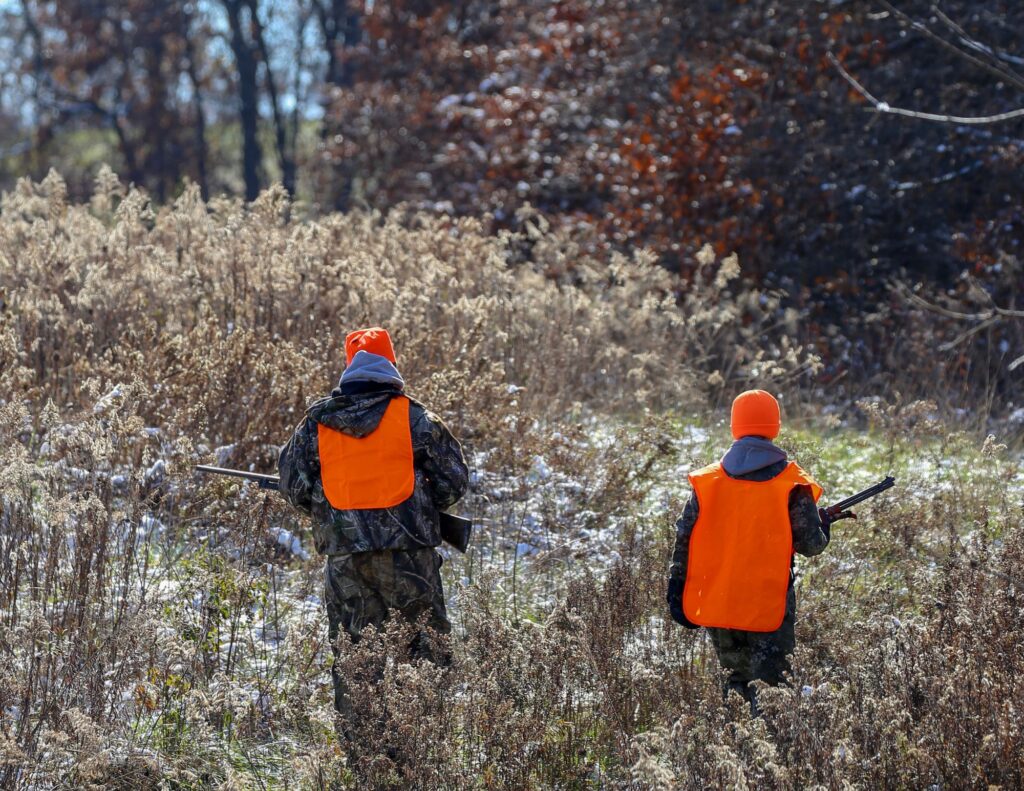 Why It Matters: In the age of technology where at least 88% of children aged 13-18 use the internet daily, and roughly less than 40% of those youth hunt, fish, hike, etc. on a weekly basis, a change is needed to keep current and future generations of sportsmen and women on the landscape. Legislators seek to do just that through the development of an age-appropriate hunting and trapping program for grades 6-12 by the Pennsylvania Department of Education in consultation with the Pennsylvania Game Commission (PGC).
Highlights:
- Pennsylvania House Game & Fisheries Committee Chairwoman and Pennsylvania Legislative Sportsmen’s Caucus member, Representative Anita Kulik, introduced House Bill 2460 (HB 2460), which is a vital piece of legislation to protect the deep-rooted sporting heritage as well as conservation in the Commonwealth.
- HB 2460 passed out of the House Game & Fisheries Committee on May 6, 2026 (17 to 9) and then again out of the House of Representatives on June 30, 2026 (180 to 22).
- More recently, a similar version, Senate Bill 1418 (SB 1418), was introduced by Legislative Sportsmen’s Caucus Co-Chair, Sen. James Malone. Both SB 1418 and HB 2460 are awaiting a hearing in the Senate Education Committee where the Congressional Sportsmen’s Foundation (CSF) will be submitting testimony to encourage the passage of this initiative.
As previously reported,Under this legislation, the Pennsylvania Department of Education and the Pennsylvania Game Commission (PGC) will work together to create an age-appropriate hunting and trapping education program for grades 6-12 that includes firearm safety instruction by July 1, 2027. This legislation would make available to each school entity a developed model of hunter and trapper education for implementation if they choose. This legislation is vital as it seeks to not only protect and promote our sporting conservation heritage but also to solidify conservation funding through the American System of Conservation Funding. This initiative continues to be a top priority of the Congressional Sportsmen’s Foundation.
The Congressional Sportsmen’s Foundation applauds Representative Kulik and Caucus Co-Chair, Sen. James Malone, for introducing these vital pieces of legislation that will help protect the deep-rooted outdoor heritage in Pennsylvania. Students will gain an understanding of the history and importance of hunting and trapping and the role these pursuits play in conservation and wildlife management as well as how to safely handle firearms.
SHARE ON

You may also like

The role corn plays for gamebirds and economies ac...
Sportsmen’s conservation policy issues from publ...
Sportsmen’s conservation policy issues from publ...