











Policy Corner Brief: MAY 2026
LEGISLATURE ADJOURNS IN THE SUNFLOWER STATE
Article Contact: Jake Gould
 Why It Matters: Following the short veto session, the Kansas legislative session has adjourned until next January. This year, the Congressional Sportsmen’s Foundation (CSF) was active in the Sunflower State, hosting two legislative events, growing Caucus membership, working to advance legislative priorities, and successfully secured a pro-sportsmen’s victory with the passage of House Bill 2501, allowing for continued and unimpeded lawful acquisition, ownership, and use of suppressors for hunters and recreational shooters.
Highlights:
- The 2026 legislative session has come to a close in Kansas.
- It was a successful session for sportsmen in the Sunflower State, with two of CSF’s legislative priorities advancing.
- House Bill 2501 (HB 2501) was signed into law by Governor Laura Kelly, while House Bill 2543 (HB 2543) passed through committee and has built momentum for next session.
The Congressional Sportsmen’s Foundation had a busy legislative session in Kansas. The Kansas Legislative Sportsmen’s Caucus hosted two successful legislator events and introduced two CSF legislative priorities, one of which passed.
After passing both the House and Senate with overwhelming bipartisan support, Governor Laura Kelly signed House Bill 2501 on April 9. HB 2501 removes the criminal prohibition against firearm suppressors in Kansas. By removing the criminal prohibition against suppressors, HB 2501 reconciles any potential issues with state statutes that may arise if suppressors are no longer regulated through the National Firearms Act. This clarification of state statute allows for continued and unimpeded lawful acquisition, ownership, and use of suppressors for hunters and recreational shooters. CSF, along with several partner organizations, supported the legislation in various forms since the start of the legislative session.
Legislation to reimburse the Kansas Department of Wildlife and Parks (KDWP) for free and discounted licenses was also introduced as House Bill 2543. HB 2543 was assigned to the House Committee on Appropriations after being introduced by Representative Will Carpenter, Kansas Legislative Sportsmen’s Caucus Co-Chair. This legislation was heard and passed out of committee, but was unable to make it to the House floor for a vote before the session ended.
The Congressional Sportsmen’s Foundation would like to thank Governor Kelly and the members of the Kansas Legislative Sportsmen’s Caucus for their support of sportsmen and women this legislative session. Although HB 2543 did not see the Governor’s pen this year, its passage out of Committee has laid a solid footing for next session, where CSF will work to capitalize on its forward momentum.
WHITE HOUSE REQUESTS $1.9 BILLION FOR IMPORTANT CONSERVATION AND ACCESS PROGRAMMING
Article Contact: Taylor Schmitz
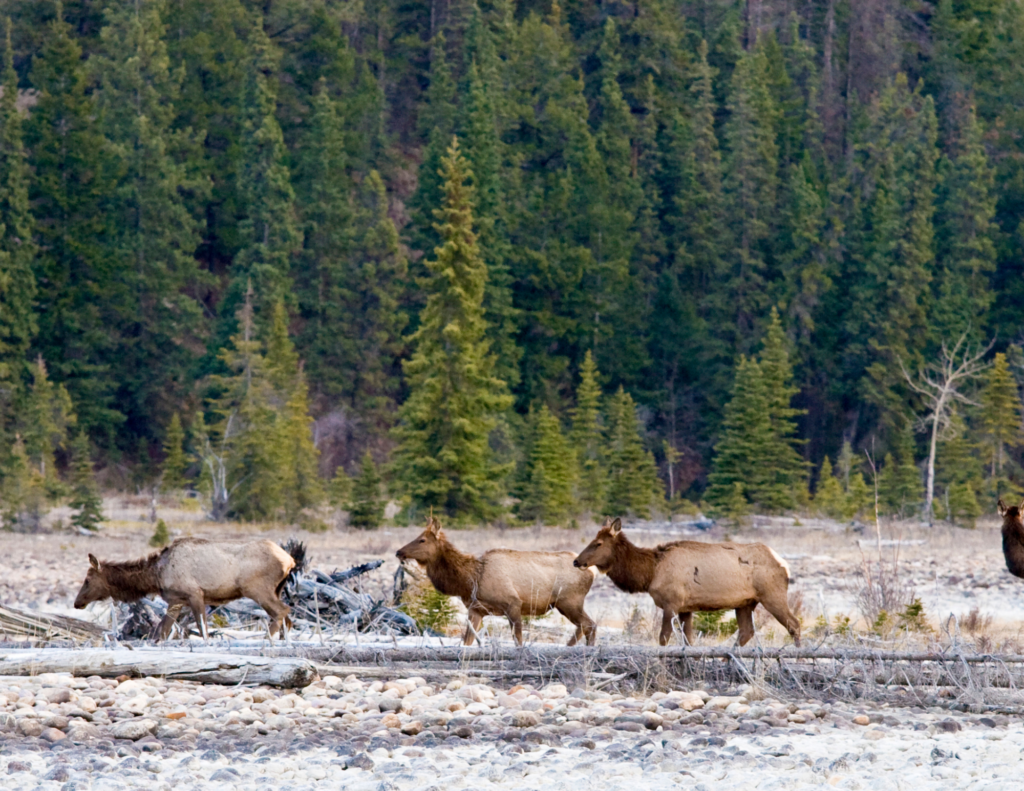 Why It Matters: Despite the popularity of America’s federal public lands, these treasured resources continue to face a growing maintenance backlog, which threatens access for sportsmen and women as well as conservation for fish and wildlife. By including $1.9 billion in the Fiscal Year 2027 budget request, President Trump is signaling his continued commitment to restoring the degraded infrastructure on our federal public lands.
Highlights:
- Recently, the White House released their Fiscal Year (FY2027) budget, which included a request for $1.9 billion annually for five years to address deferred maintenance on our federal public lands.
- In 2020, Congress passed the Great American Outdoors Act, a legacy bill that, in part, provided $1.9 billion per year of five years for the purposes of restoring infrastructure on federal public lands through the Legacy Restoration Fund (LRF)
- This budget request builds upon President Trump’s longstanding support, including calling for Congress to pass the 2020 Great American Outdoors Act.
The Congressional Sportsmen’s Foundation (CSF) would like to thank President Trump for including the request of $1.9 billion annually over five years to provide necessary funding to restore degraded infrastructure on our federal public lands.
In 2020, CSF played a leading role in advocating for funding for deferred maintenance for federal agencies other than the National Park Service, including agencies of importance to sportsmen and women such as the Bureau of Land Management (BLM), U.S. Forest Service (USFW), and U.S. Fish and Wildlife (USFWS), which serve as critical places for sportsmen and women to hunt, fish, trap, and target shoot.
Congress is currently considering reauthorizing the Legacy Restoration Fund, through a CSF-supported bill known as the America the Beautiful Act. Collectively, federal land management agencies have a management backlog of roughly $40 billion. While the National Park Service has the largest backlog of roughly $23 billion, CSF is particularly focused on securing funding for the BLM, USFS, and USFWS given the important role they play for sportsmen’s access. This request in the FY27 budget is critical to ensure that Congress addresses this problem facing our public lands.
CSF is grateful to see the inclusion of a funding request for the Legacy Restoration Fund in the President’s budget request , and we look forward to seeing this effort become reality.
ARKANSAS FISCAL SESSION UPDATE
Article Contact: Kent Keene
 Why It Matters: While legislation pertaining to sportsmen and women is primarily limited to the state fish and wildlife agency’s budget during Arkansas’ biannual fiscal session, 2026 has still been a great opportunity to promote support for sportsmen and women across the Natural State.
Highlights:
- Unlike many state legislatures that convene every year, even years in the Arkansas State Legislature are limited to a 30-day fiscal session designed to create and codify the state budget.
- The Arkansas State Legislature convened the 2026 fiscal session earlier this month and is on pace to pass several critical funding measures, including the budget for the Arkansas Game and Fish Commission.
- While other legislative matters are not germane to this session, the fiscal session remains a great time to connect with members of the Arkansas Legislative Sportsmen’s Caucus (Caucus) to set the stage for future opportunities.
Earlier this month, the Arkansas State Legislature convened for the 2026 legislative session, an abbreviated fiscal session that takes place every even year. For thirty days, the House and Senate finalize a labor-intensive process that sets the stage for Arkansas’ state budget. Most importantly for sportsmen and women, this includes the budget for the Arkansas Game and Fish Commission (AGFC).
While funded through a combination of the American System of Conservation Funding and a large portion of Arkansas’ conservation sales tax, AGFC’s budget must still be approved by the State Legislature. While there have been times when this has been easier said than done, there is little evidence to suggest any major hurdles for the agency this year as they look toward their continued success in managing the Natural State’s public trust fish and wildlife resources.
While the fiscal session does limit opportunities to advance pro-sportsmen policy, the convening of the Legislature represents a great opportunity to have conversations designed to set the stage for future efforts with the Arkansas Legislative Sportsmen’s Caucus, of which every state legislator in Arkansas is a member. This is exactly what took place on April 8th when the Caucus, alongside several other partners, sponsored and attended an event held in Little Rock to celebrate both the first day of the legislative session and the importance of conservation around the Natural State. Special recognition for this event goes to Arkansas Legislative Sportsmen’s Caucus Co-Chairs Shad Pearce and Jay Richardson, NASC Executive Council President Jeff Wardlaw, Anheuser-Busch, and friend of the Caucus Miles Goggans.
DOI AND USDA ANNOUNCE HUNTING AND SHOOTING SPORTS CONSERVATION AND ACCESS COUNCIL
Article Contact: Taylor Schmitz
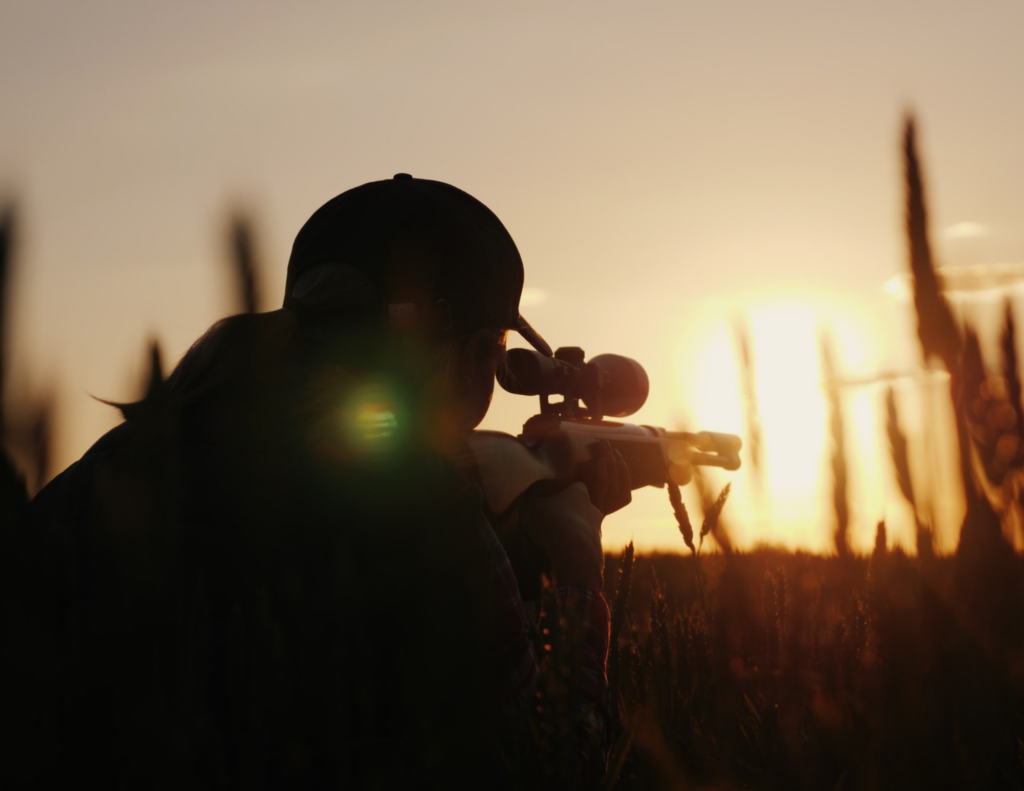 Why It Matters: The Departments of the Interior (DOI) and Agriculture (USDA) are critical departments for sportsmen and women. The two departments collectively manage more than 640 million acres of federal public land, much of which is open to hunting and recreational shooting, and they play a critical role in our nation’s conservation efforts. The Hunting and Shooting Sports Conservation and Access Council will help directly advise the Secretaries of the Interior and Agriculture on pressing issues facing sportsmen and women – ensuring that sportsmen and women have a voice at the highest level of government.
Highlights:
- Last week, the Departments of the Interior and Agriculture formally announced the launch of and a request for nominations to serve on the Hunting and Shooting Sports Conservation Council (Council), a federal advisory council dedicated to advancing the interests of sportsmen and women.
- The Congressional Sportsmen’s Foundation (CSF) expresses our strong appreciation to DOI Secretary Burgum and USDA Secretary Rollins for launching the Hunting and Shooting Sports Conservation and Access Council.
- This announcement is a sign of the support of Secretaries Burgum and Rollins for America’s sportsmen and women.
The Hunting and Shooting Sports Conservation and Access Council is an important venue to work directly with the Sectaries of the Interior and Agriculture on the most pressing issues facing America’s sportsmen and women.
“CSF extends our thanks to Secretaries Burgum and Rollins for their continued commitment to sportsmen and women and specifically thanks them for launching the Hunting and Shooting Sports Conservation and Access Council,” said CSF Senior Vice President Taylor Schmitz. “As America enters our 250th Anniversary, the Council will provide a critical opportunity to advance our uniquely American outdoor heritage.”
The Council will be focused on several important areas including implementing Executive and Secretarial Orders, improving access for sportsmen and women, various conservation efforts, and recruiting new hunters and recreational shooters, among other focal areas.
CSF looks forward to seeing the interests of America’s hunters and recreational shooters advanced through the Council.
OREGON INITIATIVE PETITION 28 INCHES CLOSER TO BALLOT – THREATENING HUNTERS, ANGLERS, TRAPPERS, AND RANCHERS
Article Contact: Marie Neumiller
 Why It Matters: The People for the Elimination of Animal Cruelty Exemptions (PEACE) Act, currently known as IP-28, threatens to criminalize longstanding traditions of hunting, fishing, trapping, farming, and even pest control by removing critical exemptions from Oregon’s animal cruelty statutes. If passed, the measure would upend access to local, quality meat resources for millions of Oregonians, devastate rural economies, and undermine the North American Model of Wildlife Conservation that has successfully restored fish and wildlife populations across the country. With proponents closing in on the required signatures, sportsmen and women must remain vigilant to protect Oregon’s outdoor heritage.
Highlights:
- IP-28 would eliminate exemptions for lawful hunting, fishing, trapping, wildlife management, pest control, and standard agricultural practices, effectively criminalizing these activities.
- The measure would transform daily life for Oregon residents by restricting access to locally produced meat and eliminating essential pest control tools.
- The Congressional Sportsmen’s Foundation (CSF) is fighting to ensure IP-28 does not bring an abrupt end to the North American Model of Wildlife Management, conservation funding, or sportsmen’s traditions that have sustained Oregon’s fish and wildlife for generations.
With the most recent submission of 6,852 raw, unverified signatures on April 28, 2026, proponents of Initiative Petition 28 have submitted 111,867 signatures towards the 117,173 signatures required to qualify for the November 2026 ballot. Due to standard processing, the April figures reflect signatures gathered during March and April. Proponents have until July 2, 2026, to submit the remaining 5,306 signatures to meet the bare minimum threshold. Gathered signatures will need to go through a verification process to confirm the collection of 117,173 valid signatures will occur if/when the proponents declare the petition complete.
The PEACE Act would fundamentally alter life for millions of Oregon residents. By removing exemptions from animal cruelty laws, the initiative would criminalize routine activities essential to agriculture, pest control, and personal sustenance. If passed, IP-28 would mean that sportsmen and women can no longer provide for their families through hunting and fishing. Further, Oregonians would lose ready access to quality, locally raised meat, forcing greater reliance on out-of-state sources and driving costs for families already facing economic pressures. Standard pest control practices that protect homes, farms, restaurants, and public health would also be eliminated, creating new burdens for both rural and urban residents.
Beyond individual impacts, IP-28 poses a direct threat to the North American Model of Wildlife Management, a proven framework that has guided successful conservation efforts in the United States for over a century. Sportsmen and women, through license fees and excise taxes, provide a large portion of funding for the Oregon Department of Fish and Wildlife’s (ODFW) operations. Criminalizing hunting, fishing, and trapping would slash this critical revenue stream, cripple science-based wildlife management, and end cherished traditions that have connected generations to Oregon’s outdoors. Bipartisan opposition from Oregon Legislative Sportsmen’s Caucus Co-Chairs Senators Anthony Broadman (D-Bend) and David Brock-Smith (R-Port Orford) underscores the broad consensus against this radical measure.
The Congressional Sportsmen’s Foundation, alongside coalition partners, continues to highlight the devastating consequences of IP-28 while educating voters on the vital role sportsmen play in conservation. Should the petitions qualify for the ballot, CSF will intensify efforts to defeat this measure at the polls, ensuring that Oregon’s sporting heritage, rural way of life, and successful wildlife management traditions are protected for future generations.
HOUSE PASSES UPDATED FARM BILL, SENATE SET TO BEGIN WORK SOON
 Why It Matters: As one of the most wide-reaching pieces of legislation worked on by Congress, the Farm Bill contains many key provisions important to sportsmen and women, as well as wildlife conservation. The private lands provisions contained within the Farm Bill’s Conservation Title create tremendous opportunities to promote wildlife habitat management and, thanks to programs like VPA-HIP, public hunting and angling access on private lands. The passage of an updated Farm Bill by the U.S. House of Representatives represents a significant step toward the enactment of a full Farm Bill since the last one expired in 2023.
Highlights:
- On April 30th, the U.S. House of Representatives voted 224-200 to pass H.R. 7567, the Farm, Food, and National Security Act of 2026, otherwise referred to as the 2026 Farm Bill.
- If passed by Congress, H.R. 7567 would be the first full Farm Bill passed by Congress since the last iteration expired in 2023.
- Included in this bill are several key conservation and public access programs championed by the Congressional Sportsmen’s Foundation (CSF) and partners. While many provisions continue successful programs, H.R. 7567 included the Forest Conservation Easement Program (FCEP) that CSF and partners have been championing for the past several years.
After hours of debate on the floor of the U.S. House of Representatives, the 2026 Farm Bill officially passed out of the House and sent to the Senate. . The bill will now be sent to the Senate where Congressional Sportsmen’s Caucus Co-Chair and Chairman of the Senate Committee on Agriculture, Nutrition, and Forestry Senator John Boozman (AR) will work with his colleagues to see that a Farm Bill is reauthorized.
As previously reported, several key conservation provisions related to the Farm Bill were previously adopted through 2025’s One Big Beautiful Bill Act. This iteration of the Farm Bill includes those changes, but it also makes other key updates and authorizations, including reauthorizing the Conservation Reserve Program, the original and still one of the most impactful private lands conservation programs in the nation. H.R. 7567 also includes the Forest Conservation Easement Program (FCEP), a top priority for CSF and partners that will provide forest landowners the opportunity to enroll forested property in easements for conservation purposes while maintaining the ability to implement active forest management practices.
Finally, and related to the Farm Bill’s Conservation Title, the U.S. Department of Agriculture recently announced the availability of funding for a key program known as the Voluntary Public Access – Habitat Incentives Program (VPA-HIP). VPA-HIP supplies grants to state and tribal fish and wildlife agencies to create and support programs that provide public access on participating private lands. Through these programs, landowners voluntarily agree to provide public access and, in return, receive financial incentives and technical assistance related to quality wildlife habitat. Across the country, VPA-HIP has helped increase access and opportunity in many states while boasting high participant satisfaction and a strong return on investment. For more information about VPA-HIP, click here.
CSF PRIORITY HUNTING ACCESS LEGISLATION CLEARS SOUTH CAROLINA SENATE, NEARS FINAL PASSAGE
Article Contact: Conner Barker
 Why It Matters: As newcomers recognize the many appeals that South Carolina has to offer, the Palmetto State continues to grow in population. With more people than ever on the landscape, finding access to quality hunting grounds will likely only become increasingly difficult. Thankfully, South Carolina offers a diverse array of public land hunting opportunities. Legislative efforts to ensure a no-net-loss of hunting and fishing access should be embraced by all and has been a top priority for the South Carolina Legislative Sportsmen’s Caucus (Caucus) during the 2025 and 2026 legislative sessions.
Highlights:
- In January 2025, former South Carolina Legislative Sportsmen’s Caucus Co-Chair and National Assembly of Sportsmen’s Caucuses (NASC) Executive Council Member Representative Bobby Cox and current Caucus Co-Chair Representative Heather Bauer introduced House Bill 3872 (H3872), which would limit the loss of available acreage open to hunting for South Carolina’s sportsmen and women.
- In February 2025, H3872 cleared the South Carolina House of Representatives on a unanimous 110-0 vote.
- Last month, H3872 passed the Senate Fish, Game and Forestry Committee unanimously, as amended.
- Most recently, , on April 29, H3872 passed the South Carolina Senate on a unanimous 43-0 vote and now heads to the House of Representatives to agree on changes made to the bill in the Senate.
As we inch closer to the completion of the two-year legislative session in South Carolina, H3872, a top priority for the Congressional Sportsmen’s Foundation (CSF), nears final passage. CSF has worked closely with the Caucus to introduce and support H3872, dubbed the “Hunting Heritage Protection Act,” throughout the entire legislative process over the course of the last two years. Additionally, CSF spearheaded a coalition letter of support for H3872, which boasts support from 16 other state and national sporting-conservation partners.
Although H3872 was amended in the Senate, the intent of the bill remains the same. H3872 would require that, to the greatest practical extent, decisions by the South Carolina Department of Natural Resources (SCDNR) must not result in any net loss of land acreage available for hunting opportunities on wildlife management areas owned by the state, which encompasses approximately 293,000 acres in South Carolina. Additionally, the SCDNR must submit an annual report to the Senate Fish, Game and Forestry Committee and the House Agricultural, Natural Resources and Environmental Affairs Committee detailing the acreage available for hunting opportunities on SCDNR-owned WMAs and efforts made by the SCDNR to offset the loss of hunting opportunities, if any, on SCDNR-owned WMAs.
South Carolina looks to join other southeastern states like Florida, Georgia, Kentucky, Louisiana, Mississippi, and Tennessee that have passed similar legislation to protect public hunting access for the sportsmen and women of their state. H3872 cleared yet another major step in the legislative process last week, still without receiving a single “no” vote, showing the vast bipartisan support of our hunting traditions among members of the South Carolina General Assembly.
CSF looks forward to working with the Caucus over the final few weeks of the 2026 legislative session to see H3872 receive final approval from the House of Representatives, marking its final step before going to Governors Sportsmen’s Caucus member Governor Henry McMaster’s desk for his signature.
TENNESSEE WRAPS UP THE 2026 LEGISLATIVE SESSION WITH SEVERAL PRO-SPORTING VICTORIES
Article Contact: Conner Barker
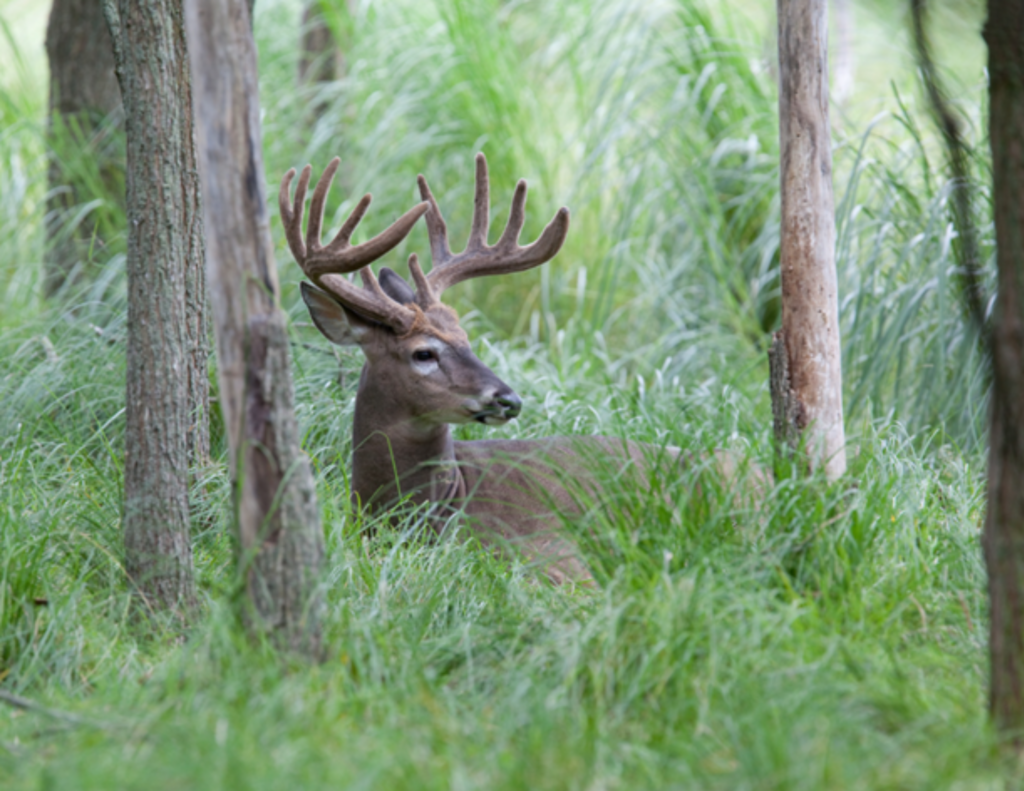 Why It Matters: One major topic of this year’s legislative session in Tennessee that shines through has been issues impacting sportsmen and women. Whether that is legislation that establishes an optional hunter safety education in schools program or legislation that protects hunters’ ability to lawfully hunt within city limits, the interests of Tennessee’s sportsmen and women were well represented in Nashville. However, there is still work to be done, particularly when it comes to dedicated conservation funding for the Tennessee Wildlife Resources Agency (TWRA).
Highlights:
- Tennessee Senate Bill 2369 (SB 2369) and House Bill 2588 (HB 2588), sponsored by Tennessee Legislative Sportsmen’s Caucus (Caucus) Co-Chairs Senator Paul Rose, Representative Chris Todd and Caucus Co-Chair and National Assembly of Sportsmen’s Caucuses (NASC) Executive Council Member Representative Jesse Chism, will allow schools to offer students in grades 5–12 a hunter education course as part of the student’s physical education, health, or safety instruction curriculum.
- Tennessee House Bill 2017 (HB 2017) and Senate Bill 2028 (SB 2028), sponsored by Caucus member Senator Adam Lowe and Representative Mark Cochran, will prohibit local governments from regulating the manner and means of taking wildlife, including the lawful discharge of a firearm.
- House Bill 2659 (HB 2659) and Senate Bill 2723 (SB 2723), sponsored by Caucus member Representative William Lamberth and Senator Jack Johnson, created a five-day window for non-profit organizations to apply for proper gaming license permits needed to conduct raffle drawings in the state.
- Tennessee Senate Bill 2183 (SB 2183) and House Bill 2138 (HB 2138), sponsored by Caucus members Senator John Stevens and Representative Pat Marsh, would have allocated 10% of the Tennessee Valley Authority’s (TVA) payments in lieu of taxes paid to the state to the wildlife resources fund.
As turkey season winds down, so does the activity at the Tennessee General Assembly. On April 23, the Tennessee General Assembly adjourned sine die, marking the end of the second half of the two-year legislative session in Nashville. There were thousands of bills introduced and debated, several of which impact hunters and anglers, with only a small handful becoming law.
HB 2588/SB 2369 were among the bills that made it through the entirety of the legislative process and were signed into law by Governors Sportsmen’s Caucus (GSC) member Governor Bill Lee on March 26. HB 2588/ SB 2369 will allow local school districts to offer optional hunter safety education courses as part of a student’s physical education, health, or safety instruction curriculum in grades 5 – 12. The course will be approved by the Tennessee Wildlife Resources Agency and, if completed, satisfy the required hunter safety education requirement in Tennessee while simultaneously allowing students to earn school credit for their efforts.
Also among the bills to make it across the finish line were HB 2017/SB 2028, which reaffirms the Tennessee Wildlife Resources Agency as the sole management authority when it comes to regulating hunting in the Volunteer State. This legislative clarification was necessary following a specific instance where a local government tried to restrict otherwise lawful hunting activities in city limits. HB 2017/SB 2028 will prohibit local governments from regulating hunting in city limits, which includes the lawful discharge of a firearm. It is worth noting that the change will not alter existing discharge distance restrictions nor will it prevent local governments from enforcing existing criminal laws. This legislation was signed into law by Governor Bill Lee on April 7.
While at face value, bills pertaining to raffle drawings and charitable gaming may not register as of importance to the sporting conservation community, such bills do directly impact the ability of non-profit organizations to conduct raffle drawings, which often makes up a significant part of your favorite sporting-conservation organizations budget. Dollars generated by these raffles are often directly put back into conservation, including on the ground habitat work for many organizations. HB 2659/SB 2723 created a five-day window for non-profit organizations to apply for the proper gaming license permits needed to conduct raffle drawings in the state. The pair of bills was signed into law by Governor Lee on April 8.
Finally, efforts to secure dedicated conservation funding were front and center both before and during the 2026 legislative session and will continue to be discussed as efforts to secure a dedicated funding source for the TWRA fell just short this year. TN HB 2138/SB 2183 would have provided a long-lasting solution to TWRA’s ongoing funding needs by allocating 10% of the TVA’s payments in lieu of taxes paid to the state to the wildlife resources fund. However, despite support from the Congressional Sportsmen’s Foundation (CSF) and multiple partners, the bills did not make it across the finish line this year. However, the TWRA did receive a one-time $10 million investment from Governor Lee’s fiscal budget. Nonetheless, CSF remains committed to working with legislators, the TWRA, and partners during the interim to explore future efforts to secure dedicated conservation funding for the TWRA. While the one-time $10 million infusion is a big win, the push for dedicated funding will continue into future legislative sessions.
2026 was a busy yet productive year in Tennessee for CSF. As legislators go back to their districts, CSF will continue working during the interim with the Caucus and our partners leading up to the 2027 legislative session, which will be here before we know it.
SHARE ON

You may also like

The role corn plays for gamebirds and economies ac...
Sportsmen’s conservation policy issues from publ...
Sportsmen’s conservation policy issues from publ...